How I Turned My Antique Obsession Into a Smart Financial Game Plan
What if your weekend flea market habit could double as a long-term financial strategy? I never thought my love for dusty old vases and forgotten clocks would teach me about asset allocation, risk patience, and real value—but it did. Collecting antiques isn’t just nostalgia; it’s a slow-burn investment game with hidden rules. Unlike volatile stocks or high-maintenance real estate, antiques grow in value quietly, often over decades. They don’t pay dividends, but they carry stories, craftsmanship, and scarcity—three elements that, when aligned, create lasting worth. Here’s how I transformed a sentimental pastime into a disciplined financial system, balancing emotion with economics, and turning curiosity into capital.
The Hidden Finance Behind Antique Collecting
At first glance, antique collecting appears to be a sentimental pursuit, driven more by emotion than economics. Yet beneath the surface of weathered wood and tarnished silver lies a structured financial reality. Antiques function as tangible assets—physical objects whose value is not tied to stock market fluctuations or interest rate changes. This independence from traditional financial markets makes them a valuable addition to a well-diversified portfolio. In financial terms, they are considered non-correlated assets, meaning their performance doesn’t mirror that of equities or bonds. When stock markets dip, fine furniture, rare books, or vintage porcelain may hold or even increase in value, offering a stabilizing effect during economic uncertainty.
What gives antiques their financial weight? It’s not merely age, as many assume. True value stems from a combination of rarity, provenance, craftsmanship, and demand. A mid-century dresser mass-produced in the 1950s may look charming, but unless it bears the mark of a renowned designer or fits a sought-after style, its appreciation potential is limited. In contrast, a hand-carved 18th-century chest with documented ownership by a historical figure can command six-figure prices at auction. The key insight is that antiques are not investments by default—they become investments only when selected with intention and knowledge.
For many collectors, the emotional pull is strong. The thrill of discovery, the connection to the past, the joy of restoration—these feelings can cloud judgment. One might overpay for a piece simply because it reminds them of their grandmother’s parlor. While sentiment has its place, it must be balanced with financial discipline. Treating antiques as both art and asset requires a shift in mindset: from passive ownership to active stewardship. This means asking not just “Do I love it?” but “Is it scarce? Is demand rising? Can it be preserved?” Only then does a hobby begin to function like a financial strategy.
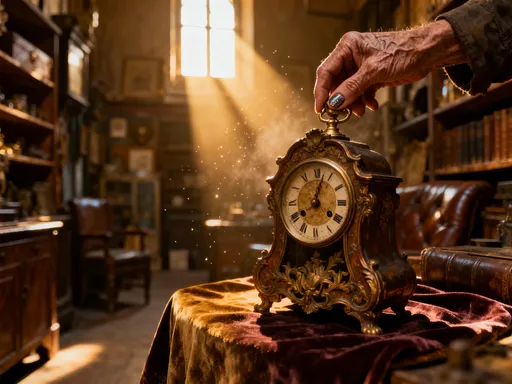
Moreover, the antique market operates on information asymmetry. Knowledge is power—and profit. Those who understand maker marks, regional styles, and restoration ethics gain a significant edge. A novice might see an old clock as merely decorative, while an informed collector recognizes it as a rare example of early American horology. This informational advantage mirrors that seen in other alternative investments like fine art or vintage wine. The lesson is clear: in the world of antiques, education is the first and most essential investment.
Building a System: From Random Buys to Focused Strategy
My early collecting days were marked by impulse. I’d wander into a country auction, spot a beautifully inlaid table, and bid without hesitation. It looked good, felt solid, and sparked joy—what more did I need? Over time, however, I realized that emotional appeal alone wasn’t a sustainable strategy. Many of my purchases either failed to appreciate or were difficult to sell. Some required costly restorations that eroded any potential gain. I had collected objects, not assets. The turning point came when I decided to treat my hobby like a portfolio, applying principles from personal finance to guide my decisions.
I began by defining a clear collecting focus. Instead of chasing anything old and attractive, I narrowed my interest to American Federal-period furniture—pieces made between 1780 and 1830, known for their elegant lines and craftsmanship. This specialization allowed me to develop deeper expertise, recognize authentic pieces, and anticipate market trends. I established acquisition criteria: items must be in original condition or require only minimal restoration, have clear provenance when possible, and exhibit design features typical of the era. I also set a budget ceiling per purchase, ensuring that no single buy would jeopardize my financial stability.
To avoid emotional decision-making, I created a “watch list” of desired pieces and makers. Before bidding at auctions or negotiating with dealers, I researched recent sale prices through public auction records and online databases. I tracked market interest by monitoring museum exhibitions, collector forums, and antiques fairs. This data-driven approach helped me distinguish between genuine value and temporary hype. For example, I noticed a surge in demand for Duncan Phyfe-style tables, but historical data showed that prices had peaked and were beginning to plateau. By waiting, I avoided overpaying and instead acquired a rare card table at a more favorable price six months later.
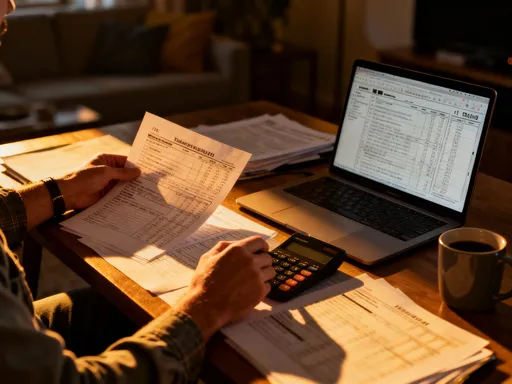
Another critical step was developing a tracking system. I cataloged each acquisition with photographs, purchase details, estimated current value, and notes on condition. This not only helped with insurance and documentation but also allowed me to assess the overall performance of my collection over time. Just as an investor reviews quarterly statements, I conducted annual reviews to evaluate which categories were appreciating and which were stagnant. This systematic method transformed my approach from scattered acquisitions to strategic investments, aligning passion with purpose.
Valuation: Knowing What’s Truly Worth
One of the most common pitfalls in antique collecting is the assumption that “old equals valuable.” A chipped 1940s teacup may have sentimental worth, but unless it’s part of a rare set or made by a famous porcelain house like Meissen or Wedgwood, it’s unlikely to fetch more than a few dollars. True valuation requires a more nuanced understanding of what drives demand and price. Authenticity, scarcity, condition, and market trends are the four pillars of accurate appraisal. Without these, even the most beautiful piece can become a financial liability.
Authenticity is the foundation. A genuine 18th-century Windsor chair is worth significantly more than a well-made reproduction, even if the difference is invisible to the untrained eye. Provenance—the documented history of ownership—adds another layer of credibility and value. A sideboard once owned by a prominent historical figure or displayed in a respected museum carries a premium. In recent years, auction houses have placed greater emphasis on provenance, often publishing detailed histories in their catalogs. This transparency benefits informed buyers and helps deter fraud.
Scarcity plays a crucial role. A piece doesn’t need to be centuries old to be valuable—what matters is how few others like it exist. Limited production runs, regional variations, and unique design elements can all contribute to rarity. For instance, a Depression-era glassware pattern produced for only two years may be more desirable than a common Victorian vase made in large quantities. Collectors often refer to the “holy trinity” of value: rarity, condition, and demand. All three must be present for significant appreciation to occur.
Condition is equally critical. While minor wear is expected in antiques, major damage or over-restoration can drastically reduce value. A refinished surface, replaced hardware, or poorly repaired crack may seem like improvements to a novice, but experts view them as red flags. Over-restoration, in particular, is a common mistake—well-intentioned but financially damaging. The antique market values originality above perfection. A chair with original finish and minor scratches will often outvalue a gleaming, refinished one.
To assess value accurately, I rely on multiple sources. Auction results from reputable houses like Sotheby’s and Christie’s provide real-world pricing data. I compare similar items, adjusting for condition and provenance. I also consult professional appraisers for high-value acquisitions, ensuring that my estimates are grounded in expert opinion. Online price guides can be helpful but should be used cautiously—they often reflect asking prices, not actual sale prices. The goal is not to guess but to gather evidence, building a case for value based on facts, not feelings.
Risk Control: Protecting Your Investment
Antiques are not like stocks or bonds. You can’t sell them instantly, and their value depends heavily on preservation. This illiquidity means that risk management is not optional—it’s essential. The most obvious risks are physical: damage from fire, water, pests, or mishandling. But there are also financial and market risks, such as declining demand or shifts in collecting trends. A category that’s popular today may lose favor in a decade, leaving owners with unsellable pieces. To protect my collection, I adopted a three-pronged approach: preservation, insurance, and diversification.
Preservation starts with the environment. Wood expands and contracts with humidity, so I maintain a stable indoor climate, using dehumidifiers in summer and humidifiers in winter. Direct sunlight fades fabrics and finishes, so I avoid placing delicate items in sunny rooms. I rotate displayed pieces periodically to prevent uneven aging. For fragile objects like porcelain or textiles, I use display cases with UV-filtering glass. Regular cleaning with appropriate materials—never harsh chemicals—is part of my routine. These steps may seem minor, but over time, they prevent deterioration that could erase decades of appreciation.
Insurance is non-negotiable. Standard homeowner’s policies often provide limited coverage for antiques, with low sub-limits and exclusions for certain categories. I opted for a scheduled personal property rider, which lists each valuable item individually and covers full replacement cost. This requires periodic appraisals—typically every three to five years—to ensure coverage remains accurate. In the event of loss or damage, this type of policy provides peace of mind and financial protection. Documentation is key: I keep digital files of photos, receipts, appraisal reports, and provenance records, stored securely in the cloud and on external drives.
Diversification within the niche is another layer of protection. While I focus on Federal-period furniture, I also own select pieces from other categories: American folk art, early silver, and fine ceramics. This prevents overexposure to a single market. If demand for mahogany tables declines, my other holdings may remain stable or even rise. I also avoid putting more than 10% of my discretionary investment funds into antiques, ensuring that my core financial goals—retirement, emergency savings, healthcare—are never compromised.
Finally, I plan for liquidity. I maintain a mental “exit list” of pieces that could be sold relatively quickly if needed. These are items with broad appeal, solid documentation, and strong market demand. Knowing which pieces are most liquid helps me avoid being trapped in a financial pinch. Risk control, in this context, isn’t about fear—it’s about preparedness. It’s the difference between a hobby that drains resources and one that strengthens financial resilience.
When Passion Meets Profit: Timing the Exit
Selling an antique can be one of the most emotionally charged decisions a collector faces. After years of care, research, and attachment, letting go of a cherished piece feels like a farewell. Yet, from a financial standpoint, the sale is where the investment realizes its value. Timing the exit correctly can mean the difference between a modest return and a substantial gain. The challenge lies in balancing emotional attachment with market reality.
I’ve learned that patience often pays off. A Chippendale-style mirror I bought in 2010 for $2,500 sat in my collection for eight years. At the time, the market for 18th-century American mirrors was soft. But as museum exhibitions highlighted early American design and younger collectors entered the market, demand grew. By 2018, similar pieces were selling for over $6,000. I sold mine at auction, netting a 140% return. That kind of appreciation rarely happens overnight—it rewards those who wait for the right moment.
But patience must be balanced with awareness. Markets don’t rise indefinitely. I once held onto a rare quilting frame, hoping for a higher offer, only to see interest wane as textile collecting fell out of fashion. I eventually sold it for less than its peak value. The lesson: monitor trends, listen to expert forecasts, and be ready to act. Tools like auction price databases and collector newsletters help me stay informed. I also consult with dealers and appraisers to gauge current demand.
The choice of sales channel matters too. Auctions offer transparency and competitive bidding but come with seller’s fees and no guarantee of sale. Private sales may yield higher net returns and more control but require finding the right buyer. Galleries and consignment shops provide expertise and exposure but take a commission. I evaluate each option based on the piece, market conditions, and my urgency. For high-value items, I often use a combination: listing with a dealer while also submitting to auction previews.
Preparation is key. Before selling, I ensure the piece is clean, photographed professionally, and accompanied by documentation. A well-written description that highlights provenance, craftsmanship, and historical significance can significantly boost appeal. Emotional detachment is crucial. I remind myself that the sale isn’t a loss—it’s a realization of value, which can then be reinvested into new opportunities. In this way, selling becomes not an end, but a strategic step in an ongoing financial journey.
Integrating Antiques Into Broader Financial Planning
While antiques can be rewarding, they should never dominate a financial plan. I treat my collection as a satellite asset class—a complement to, not a replacement for, core investments like retirement accounts, bonds, and emergency savings. The funds I allocate to antiques come from discretionary income, never from money earmarked for essential goals. I follow a simple rule: no more than 5–10% of my investable assets should be in collectibles. This ensures that my passion doesn’t compromise my financial security.
I track the performance of my collection annually, just as I do with my stock portfolio. I compare purchase prices to current appraised values, calculating appreciation rates over time. While some pieces have doubled in value, others have remained flat or declined. On average, my collection has returned about 4–6% per year—comparable to long-term bond returns, but with higher volatility and lower liquidity. This data helps me assess whether the time, effort, and storage costs are justified.
Tax considerations are also important. When I sell an antique at a profit, the gain may be subject to capital gains tax. Collectibles are taxed at a higher rate than stocks—up to 28% federally—so I plan for this in advance. I consult a tax advisor to understand implications and explore strategies like charitable donations of appreciated pieces, which can provide deductions while supporting cultural institutions.
Estate planning is another factor. Antiques can be complex to pass on, especially if heirs don’t share the same interest. To avoid disputes, I’ve documented my collection thoroughly and included clear instructions in my will. I’ve also discussed my intentions with family, ensuring they understand the value—both financial and historical—of what they may inherit. Some collectors choose to donate part of their collection to museums during their lifetime, gaining tax benefits and ensuring preservation.
The key is integration. Antiques are not a shortcut to wealth, but when managed wisely, they can enhance a balanced financial life. They offer not just potential returns, but also beauty, history, and personal fulfillment. The discipline required to collect intelligently—research, patience, emotional control—mirrors the virtues of sound financial management. In this way, the hobby reinforces the principles that support long-term prosperity.
Lessons Learned: What I Wish I’d Known Earlier
Looking back, my journey from casual collector to strategic investor has been shaped as much by mistakes as by successes. If I could speak to my younger self, I’d offer a few hard-earned truths. First, overpaying is the fastest way to erode returns. Enthusiasm can lead to bidding wars or hasty purchases at full dealer price. I’ve learned to walk away, even from beautiful pieces, if the price doesn’t align with market value. Discipline isn’t dull—it’s profitable.
Second, patience is not passive. Waiting for the right piece or the right moment requires active monitoring and readiness. I once waited three years to find a documented Federal-era desk in original condition. When it appeared at auction, I was prepared with research and financing. That patience resulted in a 120% gain when I sold it a decade later. Slow doesn’t mean stagnant—it means intentional.
Third, knowledge compounds. The more I learned about wood types, joinery techniques, and historical context, the better my decisions became. I invested in books, attended lectures, and joined collector societies. This continuous learning not only improved my eye but also expanded my network of trusted dealers and experts. In the world of antiques, education is the most reliable tool for risk reduction.
Finally, emotional control is a financial skill. Letting go of attachment—whether to a piece, a price, or a timeline—allows for clearer judgment. I no longer buy to fill a space or impress others. Every acquisition is evaluated on its merits: condition, rarity, demand, and fit within my strategy. This mindset shift transformed my collection from a scattered assortment into a coherent, purposeful portfolio.
Antique collecting, at its best, is a blend of art and discipline. It rewards curiosity, respects history, and, when approached with care, can contribute meaningfully to financial well-being. It’s not about getting rich quickly. It’s about building value—slowly, thoughtfully, and sustainably—over a lifetime. My shelves hold more than furniture and clocks; they hold lessons in patience, research, and the quiet power of long-term thinking. And that, perhaps, is the most valuable return of all.