Frankfurt’s Wild Side: Where City Meets Nature in Perfect Harmony
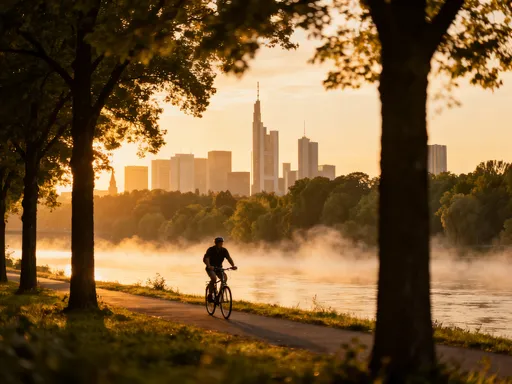
You know that feeling when you think a city is all concrete and skyscrapers—then BAM, nature hits you like a breath of fresh air? Yeah, that’s Frankfurt. I never expected to find forests, rivers, and wild meadows right next to Europe’s financial hub. This is not just a business town—it’s a green escape hiding in plain sight. Let me take you through the side of Frankfurt nobody talks about but everyone should see.
The Urban Surprise: Discovering Frankfurt’s Green Identity
Frankfurt is often labeled as Germany’s financial heartbeat, home to towering banks and a bustling international airport. Yet beneath this polished urban surface lies a city deeply rooted in green philosophy and natural integration. Over 52% of Frankfurt’s total area is composed of forests, parks, green corridors, and protected landscapes—a figure that places it among the greenest major cities in Europe. This isn’t accidental. For decades, urban planners have prioritized ecological balance, ensuring that nature isn’t just preserved on the outskirts but woven into the very fabric of daily life.
At the heart of this vision is the Grüngürtel, or Green Belt—a continuous ring of woodlands, meadows, and recreational zones that encircles the city. Stretching over 70 kilometers, this green embrace connects neighborhoods, filters air, reduces urban heat, and provides immediate access to nature for all residents. It’s common to see families biking through leafy lanes in the early morning, joggers weaving along tree-lined paths, and office workers pausing beneath canopies during lunch breaks. The city’s public transportation network ensures that no resident is more than a 15-minute walk from a major green space, reinforcing the idea that nature should be a right, not a luxury.
This deliberate integration of green infrastructure isn’t just about aesthetics—it’s a public health strategy. Studies conducted by Frankfurt’s environmental office show that areas adjacent to the Green Belt report lower stress levels, improved air quality, and higher community engagement. The city’s commitment is further reflected in policies that restrict construction in ecologically sensitive zones and promote rooftop gardens, vertical greenery, and permeable surfaces to support groundwater absorption. For visitors, this means that even a short stroll from the central train station can lead to a quiet forest trail or a sun-dappled meadow, offering a refreshing contrast to the glass and steel skyline just minutes away.
The Majesty of the Taunus: A Natural Playground at the Doorstep
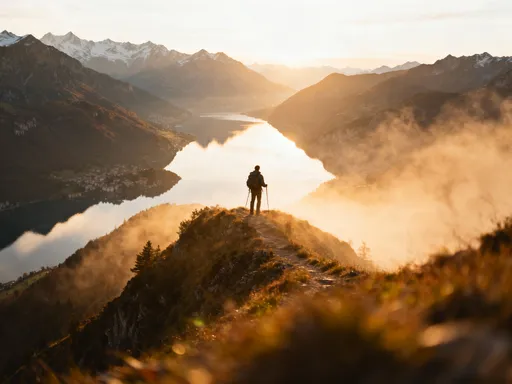
Just a short train ride north of Frankfurt lies the Taunus mountain range—a serene, forested highland that feels worlds away from the city’s financial pulse. This low mountain range, part of the Rhenish Massif, stretches across Hesse and offers an accessible retreat for hikers, cyclists, and nature lovers. With over 800 kilometers of well-maintained trails, including sections of the renowned Rheinsteig long-distance path, the Taunus invites exploration through beech and oak forests, past rocky outcrops, and along ridgelines with panoramic views of the Rhine Valley.
One of the most beloved destinations is the Altkönig peak, standing at 798 meters. Reaching the summit rewards hikers with sweeping vistas across Frankfurt’s skyline on clear days and a sense of peaceful isolation. The trail begins near the village of Falkenstein and is popular among families and solo walkers alike. Along the way, wooden markers guide the path, and seasonal wildflowers—like bluebells in spring and goldenrod in late summer—add bursts of color to the forest floor. In autumn, the Taunus transforms into a tapestry of red, orange, and gold, drawing photographers and leaf-peepers from across the region.
Equally cherished is the Kronberg forest, nestled in the eastern Taunus. This area is known for its tranquil atmosphere and well-preserved biodiversity. It’s not uncommon to spot deer, wild boar, or even the occasional red fox, especially in the early morning or dusk. The forest is also home to several historic castles and half-timbered villages, blending natural beauty with cultural heritage. Local communities actively participate in conservation, with volunteer groups organizing clean-up days and native tree planting to maintain ecological balance. Whether you're seeking a challenging hike or a gentle walk beneath towering trees, the Taunus offers a perfect blend of adventure and serenity, all within a 30-minute S-Bahn ride from central Frankfurt.
Messel Pit Fossil Site: Where Nature Tells Ancient Stories
About 35 kilometers southeast of Frankfurt lies a site of extraordinary scientific importance—the Messel Pit. Designated as a UNESCO World Heritage Site in 1995, this former oil shale mine offers an unparalleled glimpse into life on Earth 47 million years ago, during the Eocene epoch. What was once a volcanic lake has become one of the world’s richest fossil deposits, preserving delicate organisms in remarkable detail—down to stomach contents, skin impressions, and even feathers.
Over 1,000 species have been identified here, including early primates like Darwinius masillae, ancient horses the size of house cats, and a wide array of insects, fish, reptiles, and plants. The site’s unique geological conditions—layers of fine sediment and low oxygen levels—prevented decay and allowed fossils to form with exceptional clarity. For visitors, the experience is more educational than scenic, but deeply fascinating. Guided tours, led by knowledgeable paleontologists or trained interpreters, take small groups along marked paths around the excavated lakebed, explaining the history of the site and pointing out key discovery zones.
A small visitor center houses a selection of fossil replicas and informative displays, making the science accessible to all ages. While fossil extraction is strictly regulated and no collecting is allowed, the sense of standing on ground that has revealed so much about evolutionary history is profoundly moving. The Messel Pit reminds us that nature’s story is written not just in living forests and rivers, but in the silent layers beneath our feet. It’s a place where curiosity is rewarded and where the deep past feels startlingly close. For families and science enthusiasts, it offers a rare opportunity to walk through time and witness the quiet power of natural preservation.
The River Main: Lifeblood of the City’s Natural Rhythm
The River Main—pronounced “mine”—flows through Frankfurt like a ribbon of life, shaping both the city’s geography and its cultural soul. At nearly 500 kilometers long, the Main is a tributary of the Rhine, but within Frankfurt, it serves as a dynamic corridor for recreation, relaxation, and community gathering. Its banks, once dominated by industrial use, have been thoughtfully redeveloped into green promenades, sandy beaches, and vibrant public spaces where residents and visitors reconnect with water and sky.
Along the southern bank, near the suburb of Schwanheim, lies one of the city’s best-kept secrets: Schwanheim Beach. This natural stretch of sand and shallow water is perfect for swimming in summer, sunbathing, or simply wading in the cool current. Further upstream, the Nidda-Strand—a converted floodplain—offers a similar experience with added amenities like picnic areas, kayak rentals, and open lawns for games and yoga. On weekends, locals gather here with blankets, coolers, and books, creating a laid-back, village-like atmosphere despite being just minutes from downtown.
The river also plays a central role in Frankfurt’s cultural calendar. The annual Museumsuferfest, or Museum Embankment Festival, transforms both banks into a lively celebration of art, music, and food. For three days, open-air stages host live performances, museum doors stay open late, and food stalls line the promenade. Yet even during this bustling event, the river remains a calming presence—its gentle flow a counterpoint to the festival’s energy. Beyond recreation, the city has invested heavily in ecological restoration. Projects to reintroduce native fish species like grayling and to improve water quality through natural filtration systems reflect a growing commitment to sustainability. The Main is no longer just a waterway—it’s a symbol of how urban rivers can thrive when cared for with intention and respect.
Forest Bathing in the Stadtwald: Mindful Escapes Close to the Core
In the western reaches of Frankfurt, the Stadtwald—City Forest—spreads across more than 2,000 hectares of mixed woodland, making it one of the largest urban forests in Germany. Unlike manicured parks, this is a wilder, more immersive kind of green space, where centuries-old beech trees tower overhead and the air carries the scent of moss and damp earth. In recent years, the Stadtwald has become a sanctuary for those seeking mental clarity and emotional reset in the midst of city life. At the center of this shift is Waldbaden, the German practice of forest bathing—a mindful, sensory-rich immersion in nature inspired by the Japanese concept of shinrin-yoku.
Guided forest bathing walks, led by certified wellness practitioners, invite participants to slow down, breathe deeply, and engage all five senses. There’s no hiking, no destination—just presence. Walkers are encouraged to touch tree bark, listen to bird calls, notice the play of light through leaves, and simply sit in stillness. Research from environmental health studies shows that such practices can lower cortisol levels, reduce blood pressure, and improve focus. In Frankfurt, where work demands can be intense, these walks have become a form of quiet resistance against burnout.
The Stadtwald also hosts wellness programs, including outdoor meditation sessions, nature journaling workshops, and family-friendly mindfulness trails. Children learn to identify animal tracks, while adults rediscover the joy of unstructured time in nature. The forest’s biodiversity supports this healing atmosphere—over 100 bird species, rare orchids, and protected bat colonies thrive here. Signage along the trails emphasizes quiet enjoyment and respect for wildlife, reinforcing the idea that this is not just a recreational space, but a living ecosystem. For anyone feeling overwhelmed by urban pace, the Stadtwald offers a powerful reminder: healing is not always found in clinics, but sometimes in the rustle of leaves and the softness of moss underfoot.
Hidden Meadows and Urban Farms: Nature’s Quiet Revival
Beyond the forests and rivers, Frankfurt’s green revolution is unfolding in quieter, more intimate spaces—community gardens, wildflower meadows, and urban farms tucked into residential neighborhoods. These grassroots initiatives are redefining what it means to live sustainably in a city, turning underutilized plots into vibrant hubs of biodiversity and connection. In districts like Höchst, Riederwald, and Seckbach, residents have transformed vacant lots into flourishing green oases that feed, educate, and inspire.
One of the most widespread examples is the network of Kleingartenanlagen—small garden allotments managed by local associations. These plots, often passed down through generations, are used to grow vegetables, herbs, and flowers. They also serve as social spaces where neighbors share tools, recipes, and gardening tips. More recently, the city has supported the creation of wildflower meadows in public parks and along road verges. These pesticide-free zones provide crucial habitat for bees, butterflies, and other pollinators, helping to reverse the decline of insect populations. Signs in multiple languages explain the ecological importance of these spaces, turning them into informal classrooms for children and adults alike.
In some schools, eco-gardens have become part of the curriculum, teaching students about soil health, composting, and seasonal cycles. These gardens often partner with local cafés or food banks, ensuring that fresh produce benefits the wider community. Urban farming projects, though still small in scale, are gaining momentum—rooftop greenhouses, vertical planters on apartment buildings, and shared compost systems are becoming more common. These efforts may seem modest, but together they represent a quiet yet powerful shift toward resilience and local self-sufficiency. They prove that nature doesn’t need vast wilderness to thrive—it can flourish in the smallest corners, nurtured by care and community.
How to Experience Frankfurt’s Nature Like a Local
To truly appreciate Frankfurt’s natural side, it helps to move like a local. Public transportation, especially the S-Bahn and regional trains, makes accessing green spaces easy and eco-friendly. The Taunus, Messel Pit, and even distant sections of the Main river are all reachable without a car. For shorter trips, Frankfurt’s bike-sharing system, Nextbike, offers convenient access to bicycles at stations across the city. Many residents combine errands with nature—biking to work along the Main, then detouring through the Stadtwald for a midday reset.
Timing matters. Spring brings cherry blossoms to the Palmengarten and wild garlic to the forest floors; summer is ideal for river swimming and open-air festivals; autumn paints the Taunus in rich hues, perfect for photography; and even winter offers crisp walks through frost-covered woods. Locals often plan weekend outings around seasonal rhythms—mushroom foraging in fall, birdwatching in early spring, or simply enjoying a warm drink at a forest hut after a long hike.
For visitors, the best approach is to blend city exploration with nature immersion. Imagine visiting the Städel Museum in the morning, then ending the day with a sunset picnic on the Nidda-Strand. Or touring the historic Römer square, then catching the S-Bahn to Kronberg for a forest walk. When enjoying these spaces, remember to tread lightly: stay on marked trails, avoid disturbing wildlife, carry out all waste, and support local eco-conscious businesses. Many cafés near green zones use organic ingredients and compostable packaging, reflecting the city’s broader sustainability values.
Frankfurt’s true magic lies in its balance—a global city that hasn’t sacrificed its connection to the earth. It shows that urban life and nature don’t have to be at odds. Instead, they can coexist in harmony, each enriching the other. This is a city where bankers walk forest trails, children learn from soil, and rivers run clean again. It’s a model worth studying, emulating, and above all, experiencing. So next time you think of Frankfurt, don’t just picture skyscrapers. Picture sunlight through leaves, the sound of water, and the quiet joy of finding wilderness where you least expect it.