What Nobody Tells You About Cusco’s Wild Side
You know that breathtaking feeling when nature just slaps you in the face with beauty? That’s Cusco’s natural side—jagged Andes peaks, misty cloud forests, and valleys so green they look fake. But here’s the real talk: stunning views don’t come without surprises. From altitude hiccups to "hidden gem" traps, I learned the hard way what actually works. Let me save you the stress and show you how to truly enjoy Peru’s wildest landscapes—without the regrets.
First Impressions: Cusco’s Nature Beyond the Postcards
Arriving in Cusco for the first time is like stepping into another world. The air is thinner, the light sharper, and the silence more profound than in any city. Surrounded by snow-dusted mountain ranges and deep, winding valleys, the city sits at over 3,300 meters above sea level, perched like a crown in the Andes. Most travelers come with Machu Picchu on their minds, picturing ancient stones half-lost in jungle. But the true essence of Cusco lies beyond the ruins—in its vast, untamed natural landscapes.
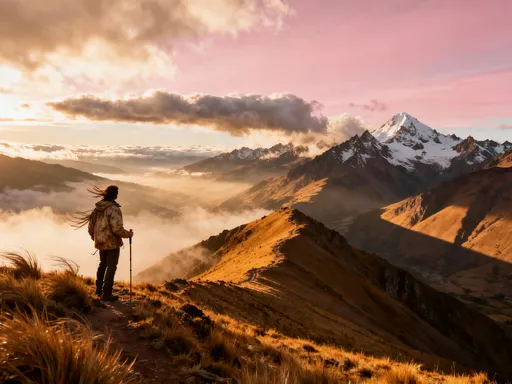
The region’s geography is far more diverse than postcards suggest. Beyond the iconic citadel, you’ll find high-altitude grasslands known as puna, where wild vicuñas graze under endless skies. Glacial rivers carve through remote canyons, feeding into turquoise lakes tucked between mountain folds. Cloud forests climb the eastern slopes, their moss-draped trees humming with birdlife. These ecosystems are not just scenic backdrops—they shape every aspect of travel here, from trail conditions to temperature swings.
Understanding this terrain is essential for thoughtful planning. Many visitors underestimate how elevation and isolation affect mobility, weather, and access. A hike that seems short on a map can take twice as long due to thin air. Roads may vanish in the rainy season. Popular trails can be booked months in advance. Without grasping the region’s natural complexity, even seasoned travelers can find themselves unprepared. The key is to see Cusco not just as a destination, but as a living, breathing highland ecosystem that demands respect and awareness.
The Altitude Trap: Why Your Body Might Betray You
One of the most underestimated challenges in Cusco is altitude sickness, a condition that affects thousands of visitors each year. At over 3,300 meters, the air contains about 30% less oxygen than at sea level. This means your heart works harder, your breath comes faster, and your energy depletes more quickly—often without warning. Symptoms like headaches, nausea, dizziness, and fatigue can strike within hours of arrival, turning what should be an exhilarating adventure into a struggle for comfort.
Many travelers make the mistake of diving straight into hikes or sightseeing upon arrival. Some book full-day tours to the Sacred Valley the morning after landing, not realizing that even a short descent into lower elevations doesn’t eliminate risk. Others ignore early warning signs, pushing through discomfort until their bodies shut down. These missteps are common, but avoidable. The human body needs time to acclimatize, and rushing the process increases the likelihood of acute mountain sickness, which in rare cases can become life-threatening.
Science-backed strategies can make a significant difference. The most effective approach is gradual ascent—spending at least two full days in Cusco before attempting any strenuous activity. Staying hydrated is crucial; dehydration worsens symptoms, so drinking two to three liters of water daily is recommended. Many locals drink coca tea, which has mild stimulant properties and may help ease mild symptoms, though it is not a cure. Rest, light meals, and avoiding alcohol in the first 48 hours are also key.
It’s important to distinguish between myth and reality. Coca leaves are widely used and culturally significant, but they do not magically prevent altitude sickness. Oxygen bars, increasingly common in Cusco, offer temporary relief but should not replace proper acclimatization. The best defense is patience. Listening to your body, pacing your itinerary, and building in recovery time are not signs of weakness—they are marks of smart, responsible travel.
Popular Trails vs. Overrated Paths: Hitting the Right Spots
The Inca Trail remains one of the most famous hikes in the world, drawing tens of thousands of visitors annually. Walking the ancient stone path to Machu Picchu at sunrise is a dream for many, and for good reason—the combination of history, engineering, and natural beauty is unmatched. However, the trail’s popularity comes with drawbacks: strict permit limits, high costs, and crowded conditions, especially during peak season. For some, the experience can feel more like a well-managed pilgrimage than a wilderness adventure.
Fortunately, Cusco offers alternatives that deliver equal wonder with fewer people and greater immersion in nature. The Salkantay Trek, for example, takes hikers through diverse ecosystems—from high alpine passes to lush cloud forests—culminating in views of the sacred Apu Salkantay, a snow-capped peak revered by local communities. At around 25,000 annual permits, it sees significantly fewer hikers than the Inca Trail, allowing for quieter mornings and more personal moments along the route.
Another excellent option is the Lares Valley Trek, which winds through traditional Andean villages where families still practice weaving and farming as their ancestors did. This trail emphasizes cultural connection as much as natural beauty, with hot springs, grazing llamas, and panoramic mountain vistas. Unlike the Inca Trail, it does not require a government-issued permit, making it easier to book last-minute. Difficulty levels vary, but most routes are moderate, suitable for travelers with basic fitness.
For those seeking solitude and a sense of discovery, Choquequirao is increasingly drawing attention. Often called “Machu Picchu’s sister,” this remote Inca site sits deep in a canyon, accessible only by a challenging multi-day hike. While less restored than its famous counterpart, it offers a more authentic sense of exploration. Fewer than 5,000 people visit annually, and the journey itself—through steep descents and river crossings—feels like a true expedition. The trade-off is physical demand, but for many, the reward is worth it.
When choosing a trail, consider not just scenery but also crowd levels, permit requirements, difficulty, and personal interests. Some travelers prioritize history, others nature or cultural exchange. Matching your expectations with the right route ensures a more fulfilling experience. And in every case, booking with a reputable operator makes a difference in safety, comfort, and environmental impact.
Weather Warnings: When Blue Skies Turn to Whiteouts
Cusco’s weather is famously unpredictable, shaped by its mountainous terrain and tropical latitude. A clear, sunny morning can give way to afternoon hailstorms or dense fog within an hour. This variability is due to microclimates—small zones where temperature, wind, and precipitation shift rapidly based on elevation and exposure. Travelers who pack for warm days may find themselves shivering at night when temperatures drop below freezing, even in the dry season.
The region has two main seasons: dry (May to September) and rainy (November to March). The dry season is the most popular for hiking, with stable weather and clear skies. However, even then, sudden storms can occur, especially at higher elevations. The shoulder months—April, October, and early November—can be risky, with lingering rains turning trails into mudslides or making river crossings dangerous. Timing your visit carefully can reduce exposure to these hazards.
Preparation is non-negotiable. A proper packing list should include moisture-wicking base layers, insulated jackets, waterproof outer shells, gloves, a warm hat, and sturdy hiking boots with ankle support. Many underestimate the cold at night, especially on multi-day treks where temperatures routinely fall below 0°C (32°F). Sleeping bags rated for sub-zero conditions are essential, even in the dry season. A headlamp, sunscreen (UV exposure is intense at high altitude), and lip balm with SPF are also must-haves.
Layering is the most effective strategy for managing temperature swings. During the day, hikers may wear just a t-shirt; by evening, they need full winter gear. Rain gear should be worn before the storm hits—once soaked, it’s nearly impossible to dry clothes on the trail. Guides often carry emergency blankets and first-aid supplies, but personal preparedness reduces reliance on others. Checking forecasts daily and staying flexible with plans allows travelers to adapt to changing conditions without compromising safety.
Tour Operators: Finding the Good, Avoiding the Scam
Most visitors rely on tour operators to access Cusco’s remote trails, and for good reason. These companies provide logistics, guides, equipment, and meals, making complex journeys manageable. However, the quality of service varies widely. While some agencies prioritize safety, sustainability, and cultural respect, others cut corners to offer lower prices, putting travelers at risk.
Red flags are often easy to spot. Companies advertising the Inca Trail for under $400 may skip essential costs like porter wages, proper food, or emergency oxygen. Some use untrained staff or outdated gear. Others fail to carry liability insurance or employ guides without official certification. In extreme cases, travelers have been left stranded due to permit issues or sudden cancellations. These risks are especially high with unregistered or online-only operators who lack physical offices or verifiable reviews.
To choose wisely, start by verifying credentials. Reputable agencies are registered with Peru’s Ministry of Tourism and employ guides licensed by the government. Look for membership in recognized associations like the National Association of Mountain Guides of Peru (AGMP) or the Peruvian Ecotourism and Adventure Travel Association (APEATA). These organizations uphold ethical and safety standards, including fair treatment of porters, who play a vital role in trekking operations.
Reading reviews on trusted platforms like TripAdvisor or Google can reveal patterns of reliability. Pay attention to comments about food quality, tent conditions, guide knowledge, and emergency preparedness. A good operator will provide a detailed itinerary, explain porter policies, and answer questions transparently. They should also offer clear cancellation policies and assist with permit bookings well in advance.
Supporting local, community-based agencies has added benefits. Many family-run or cooperative-owned businesses reinvest profits into education, healthcare, or environmental protection in nearby villages. These operators often provide more personalized service and deeper cultural insights, enhancing the travel experience while contributing to sustainable development. Choosing them is not just smart—it’s a step toward more responsible tourism.
Responsible Travel: Respecting Nature Without the Hype
As Cusco’s popularity grows, so does the pressure on its fragile ecosystems. Trails erode from overuse, waste accumulates in remote areas, and wildlife faces disruption from noise and pollution. While many travelers want to “leave no trace,” good intentions aren’t enough without concrete actions. True responsibility means making thoughtful choices every step of the way.
Waste management is critical. Always carry out what you carry in—this includes food wrappers, tissues, and hygiene products. Some trekkers mistakenly believe biodegradable items can be left behind, but even organic waste takes years to decompose at high altitudes and can attract animals to human areas. Use designated toilet facilities when available, or dig catholes at least 200 meters from water sources if necessary. Pack out toilet paper in sealed bags.
Staying on marked trails prevents soil erosion and protects native plants. Many hikers take shortcuts to save time, but these create new paths that widen over time, damaging vegetation and altering drainage patterns. Similarly, drone use—while tempting for photography—can disturb birds and other wildlife, especially in protected areas like national parks. In many regions, drones require special permits and are banned outright in archaeological zones.
Water conservation is another often-overlooked issue. While streams may appear abundant, many are the primary source for downstream communities. Avoid washing clothes or using soap directly in rivers. Use biodegradable soap sparingly and at least 60 meters from water sources. Refill bottles at official purification stations when possible.
The most meaningful form of respect is supporting local guardians of the land. Many rural communities manage conservation areas through communal stewardship. Visiting these regions through community-led tours ensures that tourism benefits those who protect the environment daily. Whether it’s a homestay in the Lares Valley or a guided walk through a native forest reserve, these experiences foster mutual understanding and long-term sustainability.
Putting It All Together: A Smarter Way to Experience Cusco’s Wild Heart
Exploring Cusco’s natural wonders is one of the most rewarding travel experiences available, but it requires more than good intentions. The region’s beauty is matched only by its challenges—altitude, weather, logistics, and environmental fragility. Success lies not in conquering the landscape, but in moving through it with awareness, preparation, and humility.
The biggest pitfalls—rushing acclimatization, underestimating the weather, choosing the wrong trail, or booking with unreliable operators—can be avoided with research and patience. Building in rest days, packing appropriately, verifying guide credentials, and selecting less crowded routes are practical steps that make a real difference. Equally important is adopting a mindset of respect: for the land, for local cultures, and for fellow travelers sharing the path.
Thoughtful planning doesn’t diminish adventure—it deepens it. When you arrive at a mountain pass after days of careful preparation, when you stand beneath a star-filled sky in a quiet valley, when you share a meal with a family who has lived in harmony with these lands for generations, the experience becomes more than sightseeing. It becomes connection.
Cusco’s wild side is not meant to be rushed or conquered. It invites presence, reflection, and care. By traveling mindfully—choosing sustainability over convenience, depth over speed, and respect over spectacle—you don’t just see the beauty. You become part of its preservation. And in that, the journey becomes as meaningful as the destination.