Taste the View: How Zion’s Hidden Eats Elevate the Ultimate Scenic Experience
Nestled in the red rock canyons of southern Utah, Zion National Park stuns with towering cliffs and emerald rivers. But beyond the trails and vistas lies a secret most hikers miss: incredible food with front-row seats to nature’s grandest show. From sunrise bites with canyon views to cozy dinners under starlit mesas, I discovered how meals can transform a trip into a sensory journey. This is not just about eating—it’s about savoring every moment, in the most beautiful places imaginable. The magic of Zion unfolds not just through footsteps on stone, but through quiet breakfasts on sun-warmed boulders, laughter shared over packed lunches, and the warmth of a spiced drink as shadows stretch across the canyon walls. When food and landscape intertwine, the experience becomes richer, deeper, and more enduring.
The Zion Experience: More Than Just a Hike
Zion National Park is renowned for its awe-inspiring geology—massive sandstone monoliths carved by wind and water over millions of years, narrow slot canyons that glow with reflected light, and the lush ribbon of the Virgin River cutting through arid terrain. Trails like Angels Landing and The Narrows draw thousands each year, and for good reason: they offer some of the most dramatic hiking in North America. Yet, for all the focus on physical exertion and summit views, a vital dimension of the Zion experience often goes unnoticed—the rhythm of the day shaped by rest, reflection, and nourishment.
Visitors who plan only for mileage and elevation gain may overlook the moments that linger longest: the first sip of coffee as dawn paints the Watchman peak in soft rose gold, or the satisfaction of unwrapping a sandwich after hours of steady climbing. These pauses are not interruptions to the journey—they are integral to it. Food becomes a bridge between effort and reward, a way to ground oneself in the present. When a meal is timed with a view, it transforms from routine to ritual. The crunch of a crisp apple at a canyon overlook, the warmth of soup after a cool river walk—these sensations anchor memory as powerfully as any photograph.
For many, especially women between 30 and 55 who often juggle family, work, and personal time, a trip to Zion is more than a vacation—it’s a reclamation of self. The park offers not just physical challenge, but emotional renewal. And when food is thoughtfully included in that journey, the experience becomes holistic. It’s not about luxury or indulgence, but about intention. Choosing to eat well, in beautiful places, is an act of self-care. It’s a way to slow down, to reconnect with companions, and to honor the body that carried you through miles of desert trails.
Why Food Matters in the Wild
In the wilderness, food takes on a new dimension. Removed from the distractions of daily life—emails, chores, schedules—our senses sharpen. The smell of pine on a breeze, the sound of water over stone, the taste of a simple meal under an open sky—all become more vivid. This sensory clarity is part of what makes outdoor dining so powerful. A sandwich made with ordinary ingredients can taste extraordinary when eaten after a five-mile hike, with red cliffs rising on all sides and the sun sinking toward the horizon.
Psychologists have long recognized the link between environment and perception. Natural settings reduce stress, improve mood, and enhance cognitive function. When we eat in such spaces, those benefits extend to our experience of flavor. The fresh air increases appetite, while the absence of artificial lighting and noise allows us to focus on the textures, aromas, and temperatures of our food. This is not just speculation; studies in environmental psychology confirm that meals consumed in nature are rated as more satisfying, even when the food itself is unchanged.
But the impact goes beyond taste. Shared meals in the wild foster connection. For families, a picnic by the Virgin River becomes a moment of togetherness, free from screens and schedules. For couples or friends, a quiet dinner at a scenic overlook can spark conversation and deepen bonds. Even solo travelers find meaning in these moments—eating mindfully, journaling, or simply watching the light shift across the canyon. Food becomes a focal point for presence, a way to pause and absorb the beauty around us.
Moreover, the act of eating outdoors aligns with a deeper human rhythm. For generations, people gathered around food in open spaces—by fires, under trees, beside rivers. In Zion, that ancient pattern resurfaces. Whether it’s a thermos of tea at sunrise or a packed dinner on a trailside rock, these meals echo a timeless tradition of sustenance and celebration in nature. Recognizing this helps travelers see food not as a logistical necessity, but as a vital part of the journey—one that deserves as much attention as route planning or gear selection.
Scenic Spots with Serious Flavor
While Zion National does not allow commercial restaurants within its boundaries, the gateway town of Springdale offers a surprising array of dining options that combine local flavor with stunning views. These eateries serve as perfect bookends to a day on the trails, offering comfort, quality, and a chance to reflect on the day’s adventures. For visitors seeking both taste and scenery, a few standout spots deliver on both counts.
One beloved option is a casual café located just outside the park entrance, where outdoor seating faces directly toward the towering cliffs of the Watchman. With large umbrellas shading wooden tables and the sound of the Virgin River nearby, it’s an ideal place for a relaxed breakfast. The menu features Southwest-inspired dishes—huevos rancheros with locally sourced eggs, blue corn pancakes with maple syrup, and fresh fruit plates bursting with seasonal offerings. Many guests choose to arrive early, when the morning light bathes the canyon walls in soft gold, turning their meal into a quiet celebration of a new day.
Another favorite is a farm-to-table restaurant that emphasizes regional ingredients and sustainable practices. Here, diners can enjoy dishes like grilled trout from nearby waters, Navajo tacos topped with seasoned ground beef and fresh lettuce, and prickly pear lemonade that captures the essence of the desert. The outdoor patio, surrounded by native plants and offering panoramic views of the canyon, creates an immersive experience. As the sun sets, the stone walls glow in deep reds and oranges, and the air cools just enough to make a warm bowl of posole deeply satisfying.
For those seeking a lighter option, a small bakery in Springdale offers artisanal sandwiches, homemade soups, and freshly baked cookies. Its shaded courtyard, filled with flowering shrubs and bird feeders, attracts hummingbirds and finches, adding a touch of life to the meal. Many hikers stop here after descending from the Watchman Trail, rewarding themselves with a cold drink and a chocolate chip cookie while recounting their favorite moments. These establishments prove that excellent food and breathtaking views are not mutually exclusive—they can, and should, be part of the same experience.
Packing a View-Worthy Picnic
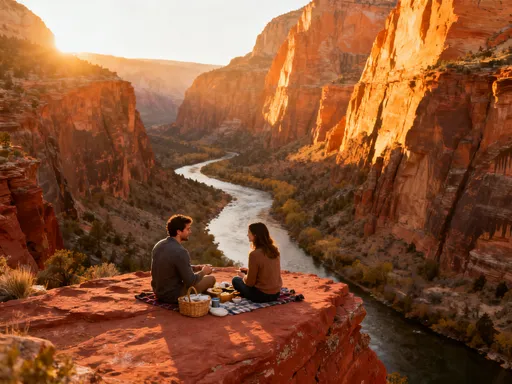
One of the most rewarding ways to enjoy food in Zion is by planning a scenic picnic. Unlike restaurant meals, a well-prepared picnic allows complete control over timing, location, and menu. It also deepens the connection to the landscape, turning a simple meal into an intentional act of appreciation. With a little preparation, any visitor can dine with the grandeur of the canyon as their backdrop.
Creating a delicious, packable meal starts with fresh, durable ingredients. Grilled chicken wraps with hummus, spinach, and roasted red peppers hold up well in a cooler and require no reheating. Whole grain crackers, cheese sticks, and trail mix provide sustained energy. Fresh fruit—such as grapes, apples, or sliced peaches—adds natural sweetness and hydration. For dessert, homemade granola bars or energy balls made with oats, honey, and dried fruit offer a satisfying treat without the mess of melting chocolate.
The choice of location is equally important. The Riverside Walk, a paved path following the Virgin River, has several shaded benches perfect for a midday break. Sitting here, with the sound of flowing water and cottonwood trees rustling overhead, turns lunch into a sensory retreat. The Watchman Trail overlook, reached after a moderate climb, offers one of the best panoramic views in the area—ideal for a sunrise breakfast or an early dinner as the light fades. For those seeking solitude, the Pa’rus Trail, which runs from the South Campground to the Grotto, has quiet stretches where a picnic feels like a private moment in nature.
Practical considerations ensure the experience remains enjoyable and responsible. A small cooler with ice packs keeps perishables safe, especially in summer months when temperatures rise. Reusable containers and utensils reduce waste, and a small trash bag ensures all litter is packed out. Above all, visitors must follow Leave No Trace principles—leaving no food scraps, cleaning up thoroughly, and respecting wildlife. When done thoughtfully, a picnic becomes not just a meal, but a mindful ritual that honors both the land and the experience.
Seasonal Bites and Local Flavors
Zion’s landscape shifts dramatically with the seasons, and so does the availability of fresh, regional ingredients. Spring brings tender wild greens, summer overflows with juicy melons and peaches, fall offers harvest vegetables and nuts, and winter introduces heartier dishes that warm the body after cool desert nights. By aligning meals with the season, visitors can enjoy food that feels connected to the place and time.
In spring, local markets and restaurants often feature dishes with dandelion greens, asparagus, and early herbs. Salads with citrus vinaigrette and wildflower honey reflect the freshness of the season. Summer’s heat brings an abundance of fruit—watermelon, cantaloupe, and stone fruits—often served chilled or blended into smoothies. Prickly pear, a cactus fruit native to the region, appears in everything from jams to cocktails, its vibrant magenta color as striking as its subtly sweet flavor.
Fall menus highlight squash, corn, and beans—ingredients central to Southwestern and Native American culinary traditions. Blue corn mush, a traditional dish made from ground blue cornmeal, is sometimes offered at cultural events open to the public. Fry bread, when served at community markets or festivals, provides a warm, pillowy base for both sweet and savory toppings. These foods, when shared respectfully and in appropriate settings, offer a genuine taste of local heritage.
Winter dining in Zion takes on a cozier character. Hearty stews, bean burritos, and hot cocoa with cinnamon become staples. Some restaurants offer indoor seating with large windows facing the cliffs, allowing guests to enjoy warmth and flavor while still immersed in the landscape. A cup of steaming cider on a crisp morning, paired with a muffin made from local honey, can be as memorable as any vista. By embracing seasonal eating, visitors not only support local agriculture but also deepen their connection to the natural rhythms of the region.
Timing Your Meals Like a Pro
In a popular destination like Zion, timing is everything. Park shuttles, trail congestion, and extreme midday heat all influence the flow of the day. Smart travelers know that strategic meal timing can reduce stress, avoid crowds, and enhance enjoyment. Just as hikers plan their routes around sunrise and sunset, they can plan their meals to align with the park’s natural rhythm.
Breakfast is best eaten early—ideally before 7:00 a.m. This allows visitors to secure parking, catch the first shuttle, and enjoy cooler temperatures. A quick stop at a Springdale café or a self-prepared meal at a scenic overlook sets a peaceful tone for the day. Eating early also means arriving at popular trails like Angels Landing before the crowds, when the air is fresh and the light is soft.
Lunch presents a challenge—many overlooks and trailside benches fill up quickly between 12:00 and 2:00 p.m. To avoid the rush, hikers can eat earlier or later than peak hours. A mid-morning picnic at the Temple of Sinawava or a late lunch at the Weeping Rock overlook offers the same views with fewer people. Carrying a lightweight blanket allows for flexible seating, whether on a rock, a riverbank, or a quiet patch of sand.
Dinner timing can be just as strategic. As the sun sets, temperatures drop, crowds thin, and the canyon takes on a golden, almost ethereal glow. A late dinner at a Springdale restaurant, enjoyed on an outdoor patio as the stars emerge, transforms a simple meal into a celebration of the day’s accomplishments. For those camping in the park, a warm meal cooked at the campsite—perhaps chili or a foil-packet dinner—adds comfort and closure to the evening. By aligning meal times with natural and logistical patterns, visitors gain not just convenience, but a deeper sense of harmony with their surroundings.
Creating Your Own Food & View Ritual
The most memorable moments in Zion often come not from grand gestures, but from small, personal rituals. A thermos of herbal tea shared in silence after a sunrise hike. A single square of dark chocolate savored on a shaded rock. A journal opened between bites of a peanut butter sandwich, with thoughts flowing as freely as the river below. These quiet acts—simple, intentional, and deeply personal—become the emotional core of a trip.
For many women, especially those who spend much of their lives caring for others, these moments of stillness are rare and precious. In Zion, they are not only possible—they are encouraged by the landscape itself. The vastness of the cliffs, the stillness of the air, the rhythm of the river all invite reflection. When food is woven into these moments, it becomes more than sustenance—it becomes a form of mindfulness.
Travelers are encouraged to design their own traditions. Perhaps it’s a daily sunrise coffee ritual, using a portable French press and a favorite mug. Or a post-hike toast with sparkling water and a slice of lemon, shared with family on a riverside bench. Maybe it’s a promise to eat dessert first, just once, while watching the light fade over the canyon. These small acts of joy accumulate, forming a tapestry of memory that outlasts any photograph.
In the end, the best view in Zion is not just seen—it is tasted, smelled, heard, and felt. It is the warmth of a bowl in cold hands, the crunch of a granola bar in the stillness of dawn, the laughter that follows a shared meal on a windswept ledge. Food, when paired with beauty and intention, becomes a language of presence. It reminds us to slow down, to breathe, to savor. And in that savoring, we find not just pleasure, but peace.