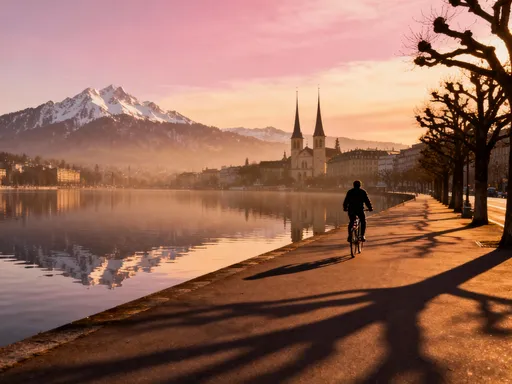
Lost in the Magic of Lake Como’s Wild Beauty
You know that feeling when nature just stops you in your tracks? That’s Lake Como. Nestled in the Italian Alps, this glacial lake isn’t just pretty—it’s alive with drama. Towering peaks, mirror-like waters, and lush greenery wrap around every bend. I didn’t expect to feel so connected to a place. It’s not just a destination; it’s a sensory journey. This is nature on another level—raw, real, and absolutely breathtaking.
The First Glimpse: Arriving at Lake Como
Approaching Lake Como feels like stepping into a dream that unfolds gradually, then all at once. Whether arriving by train from Milan, winding along the serpentine roads from the north, or gliding in by ferry from one of the nearby towns, the moment of revelation is unforgettable. From the railcar window, the landscape begins to shift—urban sprawl gives way to rolling foothills, then the sheer walls of the Alps rise like sentinels. Suddenly, through a break in the trees, the lake appears: a long, serpentine ribbon of liquid silver cradled between steep green slopes.
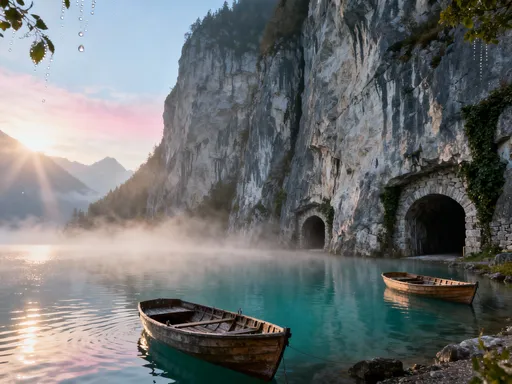
The sensory experience begins before you even step off the train. The air changes—cooler, cleaner, scented faintly with pine and damp earth. In the early morning, a soft mist hovers over the water’s surface, diffusing the sunlight into a golden haze. By midday, the clarity of the sky reveals the full scale of the valley: a Y-shaped expanse stretching over 30 miles, framed by mountains that seem to lean protectively over the water. The silence, broken only by the distant cry of a bird or the gentle lapping of waves against stone, heightens the sense of arrival.
First impressions shape the entire journey, and Lake Como sets a tone of reverence. Unlike bustling coastal resorts or manicured city parks, this place commands stillness. Travelers often pause, phones in hand, not just to take photos but to absorb the moment. There’s a collective understanding that something special lies ahead. The lake doesn’t announce itself with fanfare; it reveals itself slowly, inviting visitors to slow down, breathe deeply, and prepare for immersion. That initial awe is not fleeting—it lingers, coloring every experience that follows.
A Lake Shaped by Ice: The Geological Story Behind the Scenery
Lake Como’s breathtaking form is no accident of nature—it is the masterpiece of ancient glaciers. Over 20,000 years ago, during the last Ice Age, a massive river of ice flowed southward from the Alps, carving deep into the Earth’s surface. As it advanced and retreated, the glacier scraped away rock, widened valleys, and gouged out a vast U-shaped trough. When the ice finally melted, the carved basin filled with meltwater, forming what we now know as Lake Como—one of the deepest lakes in Europe, plunging to over 1,300 feet in some areas.
This glacial origin explains much of the landscape’s drama. The steep, almost vertical slopes that rise directly from the water’s edge are classic signs of glacial erosion. Unlike V-shaped river valleys, U-shaped glacial valleys create the wide, open arms of the lake, particularly visible at the junction near Bellagio, where the lake splits into three branches. The depth of the lake contributes to its striking color—deep blue in the center, shifting to emerald green near the shores, depending on sunlight and mineral content.
Equally remarkable is the clarity of the water. Because the lake is fed by alpine springs and snowmelt, it remains exceptionally pure. On calm days, the surface becomes a flawless mirror, reflecting the surrounding peaks and skies with surreal precision. This reflective quality enhances the sense of immersion, blurring the line between sky and water, reality and illusion. Understanding the geological history doesn’t diminish the beauty—it deepens it. Knowing that these waters have filled the same basin for millennia, shaped by forces beyond human control, adds a layer of timelessness to the experience. It reminds visitors that they are standing in a place shaped by ice, time, and nature’s quiet persistence.
Village Vistas: Where Nature Meets Human Craft
Scattered along the shores of Lake Como like jewels set in emerald hills are its legendary villages—Bellagio, Varenna, Menaggio, and smaller hamlets like Griante and Tremezzo. These settlements are not imposed upon the landscape; they appear to grow naturally from it. Pastel-colored homes with terracotta roofs cling to steep slopes, connected by narrow stone staircases and winding footpaths. Stone walls terrace the hillsides, supporting olive groves, citrus trees, and centuries-old gardens that spill fragrant blossoms into the air.
Bellagio, often called the “pearl of the lake,” sits at the intersection of the lake’s three arms, offering panoramic views in every direction. Its central promenade opens to sweeping vistas, while quiet alleyways reveal hidden courtyards and family-run cafes. Varenna, quieter and more intimate, hugs the eastern shore with medieval charm—its cobbled streets leading to the lakeside gardens of Villa Monastero, where bougainvillea tumbles over ancient railings. Menaggio, on the western branch, offers a more relaxed pace, with a lakeside promenade perfect for evening strolls.
What unites these villages is their harmony with the natural world. For centuries, residents have adapted to the terrain rather than conquering it. Houses are built into the hillside, minimizing disruption to the slope. Traditional materials—local stone, wood, and stucco—blend seamlessly with the surrounding colors. Even the grand villas, once summer retreats for aristocrats, were designed to frame views of the lake, not block them. This balance between human presence and natural grandeur is not accidental; it is the result of careful stewardship and deep respect for the environment.
Walking through these villages, one senses a rhythm of life attuned to the seasons and the lake. Fishermen still cast nets at dawn. Gardeners tend lemon trees in winter shelters. Families gather in piazzas as the sun sets behind the mountains. There is no sense of overcrowding or artificiality—only a quiet continuity that enhances the feeling of escape. These villages are not museum pieces; they are living communities that invite visitors to witness, not disrupt, their way of life.
Hidden Trails: Walking Through Como’s Untamed Side
Beyond the postcard views and charming piazzas lies a wilder Lake Como—one best discovered on foot. The region boasts an extensive network of hiking trails, ranging from gentle lakeside strolls to challenging mountain ascents. Among the most renowned is the Sentiero del Viandante, or “Path of the Traveler,” a historic route that once connected Milan to the Alpine passes. Today, restored sections offer hikers a chance to walk in the footsteps of pilgrims, traders, and shepherds who traversed these paths for centuries.
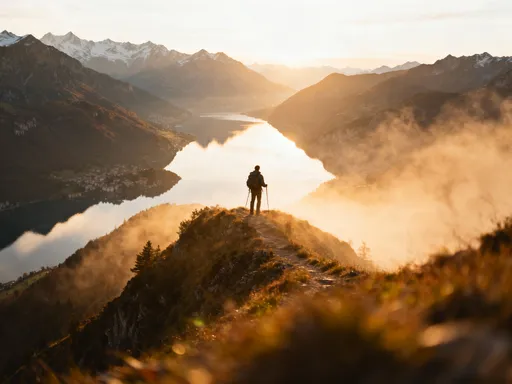
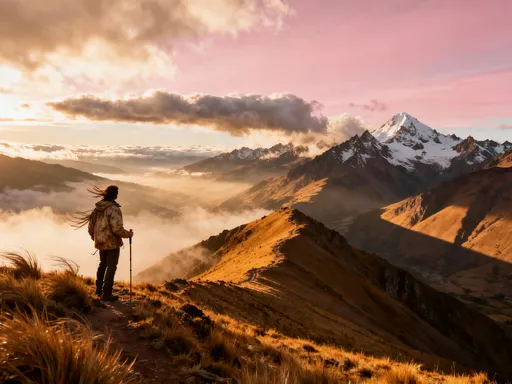
The trail winds along the eastern shore, alternating between shaded forest paths and open ridgelines with sweeping views. In spring, the underbrush bursts with wildflowers—crocuses, anemones, and delicate orchids. Ancient chestnut trees, some over 300 years old, form a canopy that filters the sunlight into dappled patterns on the ground. Sudden clearings reveal breathtaking panoramas: the lake stretching below, villages like dots of color, and the snow-capped peaks of the Grigne range rising in the distance.
For those seeking solitude, lesser-known paths lead into the hills above Bellagio and Varenna. These routes pass through abandoned terraces, forgotten chapels, and stone fountains fed by natural springs. The sound of birdsong replaces traffic noise; the only footfalls are your own. These walks are not just physical journeys—they are meditative experiences that deepen one’s connection to the land.
Practical preparation enhances the experience. Early morning or late afternoon hikes avoid midday heat and crowds. Lightweight, breathable clothing and sturdy footwear are essential, especially on rocky or uneven terrain. Carrying water, a map, and a light snack ensures comfort and safety. Travelers are advised to check trail conditions with local tourist offices, particularly after heavy rain, which can make paths slippery. Most importantly, hikers should respect the environment—staying on marked trails, avoiding littering, and refraining from picking plants. By moving slowly and mindfully, visitors become part of the landscape rather than just observers.
Water as a Mirror: Experiencing the Lake from the Surface
To see Lake Como from the shore is beautiful; to be on its surface is transformative. Kayaking, paddleboarding, and private boat tours offer intimate encounters with the lake’s soul. In the early hours, when the water is glassy and undisturbed, paddling across the surface feels like gliding through air. The mountains rise on either side, their reflections so perfect they seem to form a continuous world above and below. Every stroke of the paddle sends ripples through this mirrored reality, briefly distorting the image before it settles again into stillness.
Local operators offer eco-friendly excursions that prioritize sustainability and authenticity. Small-group tours in electric or solar-powered boats minimize noise and pollution, allowing passengers to hear the natural sounds of the lake—the call of waterfowl, the rustle of reeds, the soft splash of fish breaking the surface. Guides often share stories of local history, pointing out hidden coves, historic villas, and the subtle signs of ecological change.
Kayaking provides even greater immersion. Paddlers can explore narrow inlets inaccessible to larger boats, discover secluded beaches, and pause in quiet bays to swim or simply float. The physical effort of rowing creates a deeper sense of presence, syncing breath and movement with the rhythm of the water. For families, tandem kayaks and guided paddleboard lessons make the experience accessible to all ages.
Even a simple ferry ride, part of the region’s public transportation system, becomes a scenic journey. The regular service connects villages along the shore, allowing travelers to hop between destinations while soaking in the views. Sitting on the open deck, feeling the breeze and watching the shoreline drift by, fosters a sense of continuity and connection. Being on the water changes perception—it shifts the focus from observation to participation, from distance to closeness. It is here, surrounded by reflections and silence, that the lake’s magic becomes most tangible.
Seasons of Change: How Nature Rewrites Como’s Face
Lake Como is never the same twice. Each season paints the landscape in different hues, offering distinct moods and experiences. In spring, the hillsides explode with color—azaleas, rhododendrons, and wisteria drape over stone walls and villa gardens. The air is fresh, the water cool but inviting. This is a time of renewal, when the valley shakes off winter’s stillness and comes alive with birdsong and blossoms.
Summer brings warmth and vibrancy. The lake becomes a hub of activity—swimmers dive from rocky outcrops, children laugh on inflatable floats, and open-air restaurants buzz with conversation. Sunlight glistens on the water, and the mountains appear sharper, more defined. While this is the most popular time to visit, early mornings and late evenings offer moments of peace, when the crowds thin and the golden light softens the landscape.
Autumn transforms the region into a tapestry of gold, amber, and crimson. Chestnut forests glow in the afternoon sun, and the air carries a crispness that sharpens the senses. This is an ideal time for hiking, as the cooler temperatures make trails more comfortable. The light takes on a honeyed quality, enhancing the reflections on the lake and giving photographs a dreamlike depth.
Winter, often overlooked, holds its own quiet beauty. Mist rises from the water in the mornings, wrapping the villages in a soft veil. On clear days, the snow-capped peaks stand in sharp contrast to the deep blue lake. Fewer tourists mean a more intimate experience—warm cafes with steaming drinks, quiet walks along deserted promenades, and the chance to see the lake in its most reflective, meditative state. Choosing the right season depends on personal preference: whether one seeks lively energy, serene solitude, or vibrant color. Each visit reveals a new facet of Como’s enduring magic.
Protecting the Wonder: Sustainable Travel in a Fragile Paradise
Lake Como’s beauty is fragile. Increased tourism, climate change, and environmental pressures threaten the delicate balance that makes this place so special. Algal blooms, caused by nutrient runoff, have occasionally affected water quality. Overcrowding in peak season strains local infrastructure and disrupts community life. The very popularity that draws visitors also endangers the tranquility and purity of the landscape.
Responsible travel is not a limitation—it is a commitment to preserving what we love. Simple choices make a difference. Using the efficient public ferry system reduces traffic and emissions. Staying in locally owned accommodations supports the regional economy and promotes authentic experiences. Choosing restaurants that source ingredients from nearby farms helps sustain traditional agriculture and reduces food miles.
Travelers can further protect the environment by avoiding single-use plastics, carrying reusable water bottles, and properly disposing of waste. When hiking, sticking to marked trails prevents soil erosion and protects native plants. Supporting eco-initiatives—such as reforestation projects or clean-up campaigns—allows visitors to give back to the landscape that has given them so much.
Local authorities and communities are already taking steps—implementing stricter building regulations, promoting green energy, and educating both residents and tourists about sustainability. But lasting change requires collective action. By traveling with awareness, visitors help ensure that Lake Como remains a place of wonder for generations to come. Protection is not about restriction; it is about respect. It is about recognizing that beauty this profound deserves care, not just consumption.
Conclusion
Lake Como is more than a destination—it is a living, breathing ecosystem shaped by ice, time, and human care. It is a place where nature speaks in quiet tones: in the reflection of a mountain on still water, in the rustle of leaves along a hidden trail, in the warm light of an autumn afternoon. To visit Como is not just to see, but to feel—to be reminded of nature’s power to inspire awe, calm, and connection.
The true magic of Lake Como lies not in its postcard perfection, but in its authenticity. It invites travelers to move slowly, to listen, to observe with reverence. It challenges us to look beyond the surface and understand the forces—geological, historical, ecological—that have shaped this extraordinary place. And it calls on us to protect it, not as spectators, but as stewards.
So when you plan your journey to Lake Como, go deeper. Choose moments of stillness over checklists. Seek connection over convenience. Travel with awareness, with gratitude, and with love for the natural world. Because places like Como do not belong to us—they allow us to belong to them. And that is a gift worth preserving.