Taste of the Town: How Maria's Streets Turn Every Meal into a Journey
Nestled in the heart of the Czech Republic, Mariánské Lázně isn’t just a spa town—it’s a feast for the senses. I never expected cobblestone lanes to lead me to such rich flavors, where every café, market, and hidden bakery tells a story. Here, food doesn’t just fill your plate; it shapes the city’s soul. The aroma of warm strudel curls through morning mist, while the clink of porcelain and quiet hum of conversation mark the rhythm of daily life. This is more than dining—it’s wandering, discovering, and connecting, one bite at a time. In Mariánské Lázně, every meal feels like a gentle invitation to slow down, look around, and savor not just the taste, but the moment.
Arrival in a Culinary Sanctuary
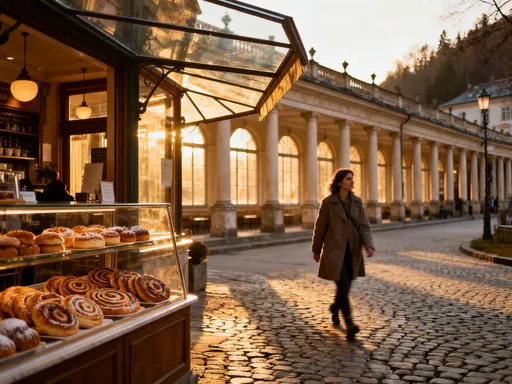
Mariánské Lázně greets visitors with the grace of a 19th-century European retreat, where elegance is woven into the very streets. Once a favored destination for European aristocracy seeking healing waters, the town retains an air of refined tranquility. Yet beneath its spa-town reputation lies a quietly vibrant culinary culture, one that reveals itself slowly—through the scent of cinnamon at dawn, the golden glow of fresh pastries in shop windows, and the unhurried pace at which locals enjoy their meals. This is not a place of culinary spectacle, but of subtle abundance, where food is treated as both nourishment and tradition.
The town’s layout plays a crucial role in shaping this experience. Designed around wide promenades, tree-lined avenues, and elegant colonnades, Mariánské Lázně naturally draws people into shared public spaces. The central colonnade, with its arched walkways and mineral springs, is more than a tourist attraction—it’s a gathering point where visitors pause for a glass of healing water and often continue to a nearby café. The proximity of dining spots to these landmarks means that food is never far from reach, nor is it treated as a separate activity. Instead, eating is integrated into the rhythm of walking, resting, and socializing.
Urban design here supports what can best be described as ‘slow living.’ Sidewalks are broad enough to allow for strolling conversations, benches are thoughtfully placed under linden trees, and nearly every corner seems to host a small eatery or kiosk. There are no drive-throughs or fast-food chains dominating the landscape. Instead, the emphasis is on presence—on sitting, lingering, and allowing time to stretch between bites. This intentional pacing encourages mindful dining, where the act of eating becomes a form of participation in the town’s daily life.
For travelers, especially women between 30 and 55 who often juggle family, work, and personal well-being, this environment offers a rare kind of relief. There’s no pressure to rush, to perform, or to plan every minute. You can simply follow the scent of freshly baked bread down a cobbled alley and find yourself at a family-run bakery, where the owner greets you with a warm smile and recommends the day’s special. It’s in these unscripted moments that the true flavor of Mariánské Lázně reveals itself—not through grand gestures, but through quiet, consistent hospitality.
The Pulse of Public Spaces: Where Food Meets Community
If the town’s architecture sets the stage, its public spaces are where the culinary drama unfolds. Tržní náměstí, or Market Square, stands at the heart of this activity. Every morning, local vendors set up stalls brimming with seasonal produce—crisp apples from nearby orchards, jars of golden honey harvested from Bohemian meadows, and wheels of creamy sheep cheese wrapped in cloth. The market is not a performance for tourists; it is a living part of the community, where grandmothers haggle gently over prices and children reach for samples of dried plums.
What makes this space so compelling is its dual role as both marketplace and social hub. Shoppers don’t just come to buy—they come to talk, to catch up, to be seen. A simple transaction for a loaf of rye bread often turns into a five-minute conversation about the weather, the festival next week, or the best way to prepare sauerkraut. This blending of commerce and connection is central to the town’s food culture. Eating here is never an isolated act; it is embedded in a web of relationships, both personal and communal.
Seasonal changes bring subtle shifts to the square’s offerings. In summer, the market overflows with berries, herbs, and fresh vegetables, while small stands offer cold fruit soups and chilled herbal teas. Come winter, the atmosphere transforms. Wooden huts replace fabric tents, glowing with warm light, serving mulled wine spiced with cinnamon and cloves. The scent of roasted chestnuts drifts through the air, and locals wrap scarves tightly around their necks as they sip hot chocolate from paper cups. These seasonal rhythms reflect a deep connection to the land and its cycles, reinforcing the idea that food is not just consumed, but experienced in harmony with nature.
The Kolonáda and its surrounding arcades also serve as important food spaces. While primarily known for its mineral springs, the area hosts small kiosks offering spa wafers—thin, crisp biscuits traditionally eaten with healing waters. These wafers, light and delicate, are more than a snack; they are a ritual, a centuries-old practice that links visitors to the town’s wellness heritage. Watching people stand by the spring, sipping water and nibbling a wafer, is to witness a small but meaningful tradition in action—one that blends health, taste, and history.
These public spaces are designed to invite participation. There are no barriers between vendor and customer, no strict rules about where one can eat. Picnics are common in the parks, and even in formal plazas, you’ll see people enjoying a sandwich on a bench or sharing a pastry with a friend. This openness fosters a sense of belonging, making it easy for visitors to feel like part of the community, even if only for a day. For women seeking travel that feels both enriching and emotionally nourishing, this inclusive atmosphere is invaluable.
From Café Culture to Street Bites
No exploration of Mariánské Lázně’s food scene is complete without delving into its café culture—a cornerstone of daily life. The town boasts a collection of historic coffeehouses, many of which have been in operation for over a century. These are not museums frozen in time, but living spaces where locals gather for morning coffee, afternoon cake, or a quiet read with a cup of tea. The interiors are often timeless: dark wood paneling, marble tabletops, and chandeliers casting soft light over linen napkins and porcelain cups.
One of the most cherished traditions is the afternoon coffee and cake ritual. It’s common to see women—often in small groups or with a book—sitting for an hour or more, savoring a slice of špička (a layered chocolate cake) or a delicate větrník, a puff pastry filled with vanilla cream. These moments are not rushed. There’s no expectation to turn over the table. Instead, the café becomes a second living room, a place for reflection, conversation, or simply being still. For many visitors, especially those accustomed to the speed of modern life, this slow indulgence feels revolutionary.
Street food in Mariánské Lázně is equally thoughtful. Unlike the greasy offerings found in some cities, here the snacks are fresh, handmade, and deeply rooted in tradition. Obložené chlebíčky, open-faced sandwiches piled high with egg, ham, pickles, and paprika, are a favorite. Sold at small counters or markets, they are often decorated with precision, almost like edible art. Eating one while walking through the park isn’t just convenient—it’s a way of engaging with the town’s culture in the most immediate way possible.
Bakeries, too, play a vital role. Early each morning, the scent of yeast and butter fills the air as bakers pull fresh loaves from stone ovens. Koláče, fruit-filled pastries topped with crumbly dough, come in flavors like plum, poppy seed, and quark cheese. These are not just desserts; they are breakfasts, snacks, and gifts. It’s not uncommon to see someone buying a tray of them to bring to a friend’s house or to share at a family gathering. This culture of food as generosity reinforces the town’s warm, communal spirit.
What’s remarkable is how accessible all of this is. You don’t need a reservation or a special occasion to enjoy these pleasures. A warm pastry costs just a few crowns, and a coffee with cake is an affordable luxury. This democratization of delight means that culinary joy isn’t reserved for the wealthy or the tourist elite—it’s available to everyone, every day. For women who often put others’ needs first, this model of simple, everyday indulgence offers a quiet but powerful reminder: pleasure doesn’t have to be earned. It can simply be claimed.
The Architecture of Eating: Design That Invites Taste
Mariánské Lázně’s charm lies not only in what it offers, but in how it offers it. The town’s 19th-century urban planning was deeply influenced by the idea of wellness, and this philosophy extends to its dining environments. Wide sidewalks, shaded terraces, and pedestrian-only zones create an ideal setting for al fresco meals. There are no cars honking or sidewalks crowded with delivery bikes. Instead, the pace is gentle, the air clean, and the spaces inviting.
The colonnades, with their covered walkways and open arches, are particularly significant. They provide shelter from rain or sun, making outdoor seating comfortable year-round. Many cafés have tables spilling into these arcades, blurring the line between indoor and outdoor dining. Sitting beneath the vaulted ceiling of the main colonnade, sipping tea while watching passersby, feels both intimate and connected. The architecture doesn’t dominate the experience—it enhances it, framing the act of eating within beauty and comfort.
Parks are equally designed with dining in mind. Sprinkled with benches, fountains, and shaded groves, they encourage picnics and casual meals. Families spread blankets on the grass, couples share sandwiches by the pond, and solo travelers read books with a thermos of soup. These green spaces are not just decorative; they are functional extensions of the town’s culinary landscape. They invite people to eat slowly, to enjoy nature, and to engage with their surroundings.
Even the narrow alleys, often overlooked, contribute to the food experience. Tucked between historic buildings, they hide small eateries with just a few tables, their menus handwritten on chalkboards. These spots are not easy to find, but that’s part of their appeal. Discovering one feels like uncovering a secret—a place where time slows and flavors deepen. The intimacy of these spaces fosters a sense of discovery, making each meal feel personal and memorable.
This intentional design reflects a deeper truth: that environment shapes behavior. When a city makes it easy to sit, to share, to linger, people naturally do so. When benches are plentiful and tables are close together, strangers strike up conversations. When food is visible, aromatic, and within walking distance, it becomes part of the journey, not a detour. Mariánské Lázně understands that eating is not just about sustenance—it’s about connection, and the built environment plays a quiet but powerful role in making that possible.
Local Ingredients, Global Influences
The flavors of Mariánské Lázně are deeply rooted in place. The region’s fertile soil and clean water yield high-quality ingredients that form the backbone of its cuisine. Bohemian honey, rich and floral, is used in everything from desserts to herbal teas. Local dairies produce soft cheeses and tangy sour cream, essential for traditional dishes. Even the town’s famous mineral waters influence cooking—some chefs use them in doughs or broths, believing they enhance texture and flavor.
Yet, despite its strong local identity, the town’s food culture is not insular. For over a century, Mariánské Lázně has welcomed visitors from across Europe—Germans, Austrians, Italians, Russians—each leaving a subtle mark. You can taste this in the French-inspired pastries at certain bakeries, the Italian-style espresso machines in coffeehouses, or the occasional Hungarian goulash on a menu. These influences are not overwhelming; they are woven in with restraint, enhancing rather than erasing local traditions.
Food festivals and seasonal tasting events celebrate this blend. The annual Slavnosti pramenů (Festival of Springs), for example, features local chefs preparing dishes that incorporate mineral water and regional ingredients, often with creative international twists. Visitors can sample smoked trout with dill cream, spa salt-crusted potatoes, or honey-glazed duck with spiced plum compote. These events are not just about eating—they are about education, pride, and community. They invite both locals and tourists to appreciate the depth and diversity of the region’s culinary heritage.
This balance between tradition and adaptation offers a model for sustainable food culture. By honoring local ingredients and time-honored methods, the town preserves its identity. By remaining open to gentle innovation, it stays vibrant and relevant. For travelers, especially women who value authenticity and care, this approach feels both respectful and refreshing. It shows that culture can evolve without losing its soul.
Navigating the Edible City: A Traveler’s Practical Guide
For those planning a visit, a few practical tips can enhance the experience. The best time to explore the markets is early morning, between 7:00 and 9:30 a.m., when produce is freshest and crowds are light. Tržní náměstí is the main hub, but smaller neighborhood markets also offer authentic finds. Look for stalls with handwritten signs and older vendors—these are often family-run and proud of their goods.
To avoid tourist traps, seek out places where locals eat. A good sign is a menu in Czech with only a small English section, or a café that’s busy in the late afternoon rather than at noon. Family-owned restaurants often have daily specials written on a board—these are usually the freshest and most traditional options. Portion sizes tend to be generous, so consider sharing main dishes or saving leftovers for lunch the next day.
A self-guided “taste trail” can help structure your exploration. Begin at the Kolonáda for a glass of mineral water and a spa wafer. Walk to Tržní náměstí to browse the market and pick up a koláč for later. Head to a historic café like Café Imperial or Café Union for coffee and cake—try the makový závin (poppy seed roll) if available. End the day at a traditional restaurant such as Restaurace Zámeček, where dishes like roasted pork with dumplings and sauerkraut showcase Czech comfort food at its best.
Pricing is moderate by European standards. A pastry costs between 30–60 CZK (about $1.30–$2.60), a coffee with cake around 120–180 CZK ($5–$8), and a full meal at a mid-range restaurant 250–400 CZK ($11–$17). Tipping is customary—10% is standard—and appreciated, especially in family-run establishments.
When dining, a few etiquette notes can help you blend in. It’s polite to say dobrou chuť (enjoy your meal) when entering a small restaurant. Bread is often served on the table without asking, and it’s acceptable to use a knife and fork for everything, including sandwiches. Most importantly, pace yourself. Rushing through a meal is noticeable and out of step with the local rhythm. Let your meal unfold slowly, like the town itself.
Why This Way of Eating Matters
Mariánské Lázně offers more than a pleasant vacation—it presents a philosophy of living. In a world that often equates value with speed, this town reminds us that meaning can be found in slowness, in presence, in the simple act of sharing food. Its integration of cuisine and urban space is not accidental; it is deliberate, shaped by generations who understood that well-being extends beyond the body to include the soul and the community.
When cities design with connection in mind—through shared tables, open kitchens, inviting parks—they do more than improve tourism. They foster deeper cultural understanding. They allow strangers to become neighbors, if only for a meal. They give travelers the chance to move beyond sightseeing and into belonging. For women who seek travel that nurtures as much as it excites, this is invaluable.
Every bite in Mariánské Lázně tells a story—of land, of history, of people who care about how food brings us together. To eat here is not to consume, but to participate. It is to walk cobblestone streets and realize that flavor is not just on the plate, but in the air, the architecture, the quiet smile of a baker who remembers your order. This is mindful travel at its finest: not a checklist of sights, but a tapestry of moments woven together by taste.
So the next time you plan a journey, consider not just where you’ll go, but how you’ll eat. Let your meals be more than fuel. Let them be encounters, invitations, quiet revelations. In Mariánské Lázně, the street is the menu, and every step is a course. All you have to do is walk, pause, and taste the town.