You Won’t Believe What I Saw at the Taj at Sunrise
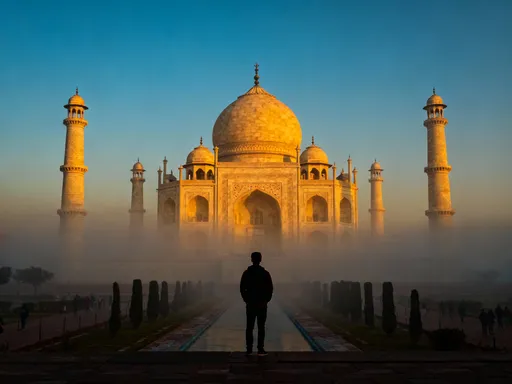
Standing before the Taj Mahal as the first light hits its marble domes—there’s nothing like it. I’d seen thousands of photos, but nothing prepared me for the real thing. This isn’t just a monument; it’s a feeling. The air is cool, the silence is deep, and the monument glows with a softness that no photograph can capture. In this article, I’ll walk you through the most unforgettable viewing moments in Agra, how to experience them like a pro, and where to go beyond the crowds for truly magical perspectives—no filters, just real travel truths. Whether you’re a first-time visitor or a seasoned traveler, these insights will help you connect with one of the world’s most beloved wonders in a more personal, profound way.
The Magic of the Taj Mahal at Dawn
There is a moment—just after sunrise—when the Taj Mahal seems to breathe. The marble, usually blinding under midday sun, softens into warm hues of rose, gold, and ivory. This transformation is not imagined; it is a physical reaction of polished Makrana marble to the low-angle morning light. At dawn, the sun casts a gentle glow that reduces glare and enhances subtle tonal shifts across the surface. The play of light reveals details often lost later in the day: the delicate inlay work of semi-precious stones, the symmetry of the arches, and the quiet elegance of the minarets standing like sentinels.
Experiencing this moment requires preparation. The Archaeological Survey of India (ASI) opens the southern gate at 6:00 AM, but arriving by 5:30 AM ensures you’re among the first to enter. This early arrival grants not only better photo opportunities but also a rare sense of solitude. The path from the entrance to the main platform is quiet, the footsteps muffled by dew-damp stone. You’ll find space to pause, breathe, and absorb the scene without the press of crowds. For those planning to visit, checking the official ASI website for seasonal timing adjustments is essential—especially during monsoon or winter months when sunrise times shift.
Practical preparation enhances the experience. A small flashlight is useful for navigating dim pathways before full light. Comfortable, non-slip footwear is recommended, as the walk from the gate to the viewing platform is approximately 300 meters over slightly uneven terrain. Dress in layers, as mornings can be cool, especially between November and February. Carrying a light shawl or jacket allows you to stay comfortable during the early hours. Most importantly, approach the moment with patience. The true magic of the Taj at sunrise is not in capturing the perfect photo, but in allowing yourself to be present as the monument awakens with the day.
Beating the Crowds: Smart Timing and Entry Strategies
The Taj Mahal draws over seven million visitors annually, and the flow of people varies significantly throughout the day. Midday is by far the busiest, with tour groups arriving en masse between 10:00 AM and 2:00 PM. Temperatures rise, sunlight becomes harsh, and the courtyard near the main platform can feel crowded and overwhelming. In contrast, the period between 6:00 AM and 8:00 AM offers the best balance of light and space. Sunset also draws large crowds, particularly on Fridays and holidays, making early morning the most reliable window for a peaceful visit.
Timing your visit strategically can make a dramatic difference. Weekdays—especially Tuesday through Thursday—are less crowded than weekends. The summer months, from June to August, see fewer international tourists due to high temperatures and humidity, making them an underrated time to visit. While the heat is real, early mornings remain relatively pleasant, and the reduced foot traffic allows for longer, more reflective time at the site. Additionally, visiting during the shoulder months of October and March provides ideal weather and moderate crowds.
Entry strategy is equally important. The Taj Mahal has five main gates, but two are most useful for visitors. The East Gate provides direct access to the central courtyard and is often less congested than the South Gate, which serves as the primary entry for guided tours. The West Gate, while less commonly used, offers one of the most photogenic approaches: a long, symmetrical walkway that leads directly to the main platform, perfectly framing the monument. For photography enthusiasts, this path delivers unmatched compositional opportunities.
Combining early arrival with a timed entry ticket—available through the official ASI website—can streamline the process. These tickets allow visitors to select a specific entry window, reducing uncertainty and wait times. It’s also wise to purchase tickets in advance during peak seasons like February (when the Taj Mahotsav festival occurs) or around major holidays. By planning ahead, you transform what could be a chaotic experience into a smooth, intentional journey—one that honors both the monument and your own desire for connection.
Beyond the Front View: Unique Angles You’ve Never Seen
Most photographs of the Taj Mahal show the same iconic frontal view: the grand dome centered between the four minarets, reflected in the long pool. While this image is breathtaking, it represents only one perspective of a monument that rewards exploration. Venturing beyond this classic angle reveals compositions that are equally powerful but far less seen. These hidden vantage points offer intimacy, depth, and a sense of discovery that mass tourism often overlooks.
One of the most striking alternative views is from Mehtab Bagh, a charbagh garden located directly across the Yamuna River. Accessible via a short walk from the Agra Fort area, this site was historically designed as a moonlight garden and offers an unobstructed, symmetrical view of the Taj. Late afternoon is the ideal time to visit, when the setting sun illuminates the marble from behind, creating a golden silhouette against the sky. The reflection in the river, especially after rains when the water level rises, adds a dreamlike quality to the scene. Unlike the main viewing platform, Mehtab Bagh remains relatively quiet, allowing for contemplative observation.
Another lesser-known perspective is the reflection shot from the Moonlight Garden, located just north of the Taj complex. This area is not always open to the public, but when accessible, it provides a rare mirror image of the monument across a still pool. The symmetry is flawless, and the absence of crowds makes it a favorite among professional photographers. For those seeking dynamic compositions, walking the perimeter of the main platform between the minarets offers dramatic low-angle views. From this position, the scale of the structure becomes more apparent, and the curvature of the dome appears more pronounced.
Walking routes around the outer walls also reveal unexpected moments. Along the northern edge, near the mosque and guesthouse wings, visitors can find quiet corners where the play of light and shadow creates intricate patterns on the marble. These areas are often overlooked by tour groups, making them ideal for unhurried observation. By stepping slightly off the main path—while respecting all barriers and signage—you gain access to a more personal, layered experience of the Taj Mahal, one that goes beyond the postcard image.
Exploring Agra Fort: Power, History, and River Vistas
Agra Fort, a UNESCO World Heritage Site in its own right, is often overshadowed by the Taj Mahal, yet it offers one of the most poignant views of the monument. Built primarily by Emperor Akbar in the 16th century and later expanded by Shah Jahan, the fort served as both a military stronghold and a royal residence. Its red sandstone walls enclose palaces, courtyards, and halls, each telling a story of Mughal grandeur and political intrigue. But for many visitors, the most powerful moment comes at the southeastern corner, where a marble pavilion overlooks the Yamuna River—and directly faces the Taj Mahal.
This pavilion, known as the Musamman Burj, was Shah Jahan’s private chamber during the final years of his life. After being deposed by his son Aurangzeb, the emperor was placed under house arrest in the fort. From this elevated balcony, he could see the Taj Mahal—the tomb he built for his beloved wife Mumtaz Mahal—every day until his death. The view is not just scenic; it is deeply emotional, a symbol of love, loss, and the passage of time. Standing in the same spot, you can imagine the weight of his gaze, fixed on the monument that outlived his reign.
Visiting Agra Fort requires its own planning. The fort opens at 9:00 AM and closes at 5:30 PM, with last entry at 4:30 PM. Tickets can be purchased on-site or online, and a combined pass with the Taj Mahal is available for those planning to visit both sites. The walk through the fort is extensive, covering over two kilometers, so comfortable footwear and water are essential. The Khas Mahal, a marble palace with river-facing windows, and the Diwan-i-Khas, the hall of private audience, are highlights that showcase Mughal craftsmanship.
For photographers, the ramparts near the Musamman Burj offer exceptional vantage points, especially at sunset. The golden light enhances the contrast between the red sandstone of the fort and the white marble of the Taj, creating a striking visual dialogue across the river. Because the fort is large and less crowded than the Taj, it allows for a more immersive historical experience. It reminds visitors that Agra’s legacy is not defined by a single monument, but by a continuum of power, artistry, and vision.
Hidden Gardens and Local Lookouts
Beyond the major monuments, Agra holds quieter spaces where locals gather to enjoy views of the Taj Mahal away from the tourist throngs. These spots are not always marked on maps, but they offer authenticity and serenity. Chini Ka Rauza, a 17th-century tomb located just east of the Taj complex, is one such place. Though smaller and less visited, its Persian-style tile work and peaceful garden setting make it a hidden gem. From certain angles, the dome of the Taj appears framed between trees, creating a natural vignette that feels both intimate and reverent.
Rooftop spaces in the Taj Ganj neighborhood, just outside the main entrance, provide another layer of access. Several guesthouses and restaurants have terraces where visitors can sip chai while gazing at the distant silhouette of the monument. These views are partial—often seen between rooftops or through tree branches—but they carry a different kind of beauty. They reflect how the Taj is not just a destination, but a presence woven into the daily life of the city. Locals go about their routines with the monument as a constant backdrop, a reminder of its enduring place in the cultural fabric.
When visiting these informal lookouts, it’s important to be respectful. Many are on private property or shared community spaces. Always ask permission before entering, avoid loud behavior, and refrain from using drones or tripods without authorization. Some rooftop cafes charge a small fee for access, which supports local families and small businesses. By engaging with these spaces thoughtfully, visitors contribute to sustainable tourism that benefits the community while deepening their own experience.
Another emerging option is the Mehtab Chhawni viewpoint, a restored Mughal-era rest house along the riverbank. Though still under development, it offers panoramic views and is part of a larger effort to improve riverfront access. These initiatives reflect a growing recognition that preserving the Taj Mahal means not only protecting the monument itself, but also enhancing the surrounding environment for both residents and travelers.
Photography Tips for Stunning, Authentic Shots
Capturing the Taj Mahal in a way that feels true to the experience requires more than a smartphone. While modern devices can produce excellent images, understanding light, composition, and timing elevates your photography. The ideal lens for most visitors is a 24–70mm zoom, which covers wide-angle shots of the full façade and tighter frames of architectural details. A tripod is useful for early morning or low-light conditions, though it must be checked at the entrance and used only in designated areas.
One of the most effective tools is a circular polarizing filter. It reduces glare on the marble surface and enhances contrast in the sky, making clouds more defined and colors more vibrant. Shooting in RAW format, if your camera supports it, allows greater flexibility in post-processing, especially when adjusting white balance to match the changing light. Avoid using flash, as it is prohibited and disrupts the natural ambiance.
Common mistakes include shooting at midday, when overhead sunlight flattens the image and creates harsh shadows, and standing too close to the monument, which distorts perspective. Stepping back—even by a few meters—can dramatically improve composition. Including human elements, such as a guide explaining history or a child gazing up in wonder, adds narrative depth and scale. These moments tell a story beyond architecture, capturing the emotional resonance of the place.
Finally, resist the urge to over-edit. The Taj Mahal does not need filters to be beautiful. Natural light, careful framing, and patience yield the most authentic results. Let the monument speak for itself, and your photographs will carry the quiet power of presence.
Planning Your Visit: Transport, Safety, and Cultural Respect
Reaching Agra is straightforward, with multiple transport options from Delhi, approximately 200 kilometers away. The Gatimaan Express train is the fastest and most comfortable, taking about two hours and offering reserved seating. Shatabdi and Vande Bharat trains are also reliable choices. For those preferring road travel, private taxis and verified tour operators provide safe, air-conditioned transfers. Auto-rickshaws are widely available within the city, but it’s wise to agree on the fare before starting the journey or use app-based services to avoid misunderstandings.
Safety for tourists is generally good, but basic precautions matter. Stay hydrated, especially between March and June when temperatures exceed 40°C (104°F). Carry a reusable water bottle and refill at designated stations. Avoid carrying large amounts of cash, and keep valuables secure. The main tourist sites are well-patrolled, but pickpocketing can occur in crowded areas, so remain aware of your surroundings.
Cultural respect is essential. The Taj Mahal is not only a tourist attraction but also a place of historical and emotional significance. Dress modestly—shoulders and knees covered is recommended. Remove shoes before entering the main platform, as required, and place them in the provided racks. Avoid loud conversations or disruptive behavior, particularly in quiet zones. Drones are prohibited without prior government permission, and drone use near heritage sites can result in fines or confiscation.
Supporting local vendors ethically enhances your experience and benefits the community. Purchase souvenirs like marble inlay crafts or handwoven textiles directly from artisans or certified shops. Many small businesses near the Taj Ganj area offer fair-trade products and welcome respectful engagement. By choosing to interact with the local economy in a mindful way, you contribute to preservation efforts and help sustain the cultural legacy of Agra.
Ultimately, visiting the Taj Mahal is more than checking a destination off a list. It is an opportunity to witness human creativity, devotion, and beauty in a form that transcends time. With thoughtful planning, respect for the site, and an open heart, your journey can become a moment of quiet awe—one that stays with you long after you’ve left its marble shores.